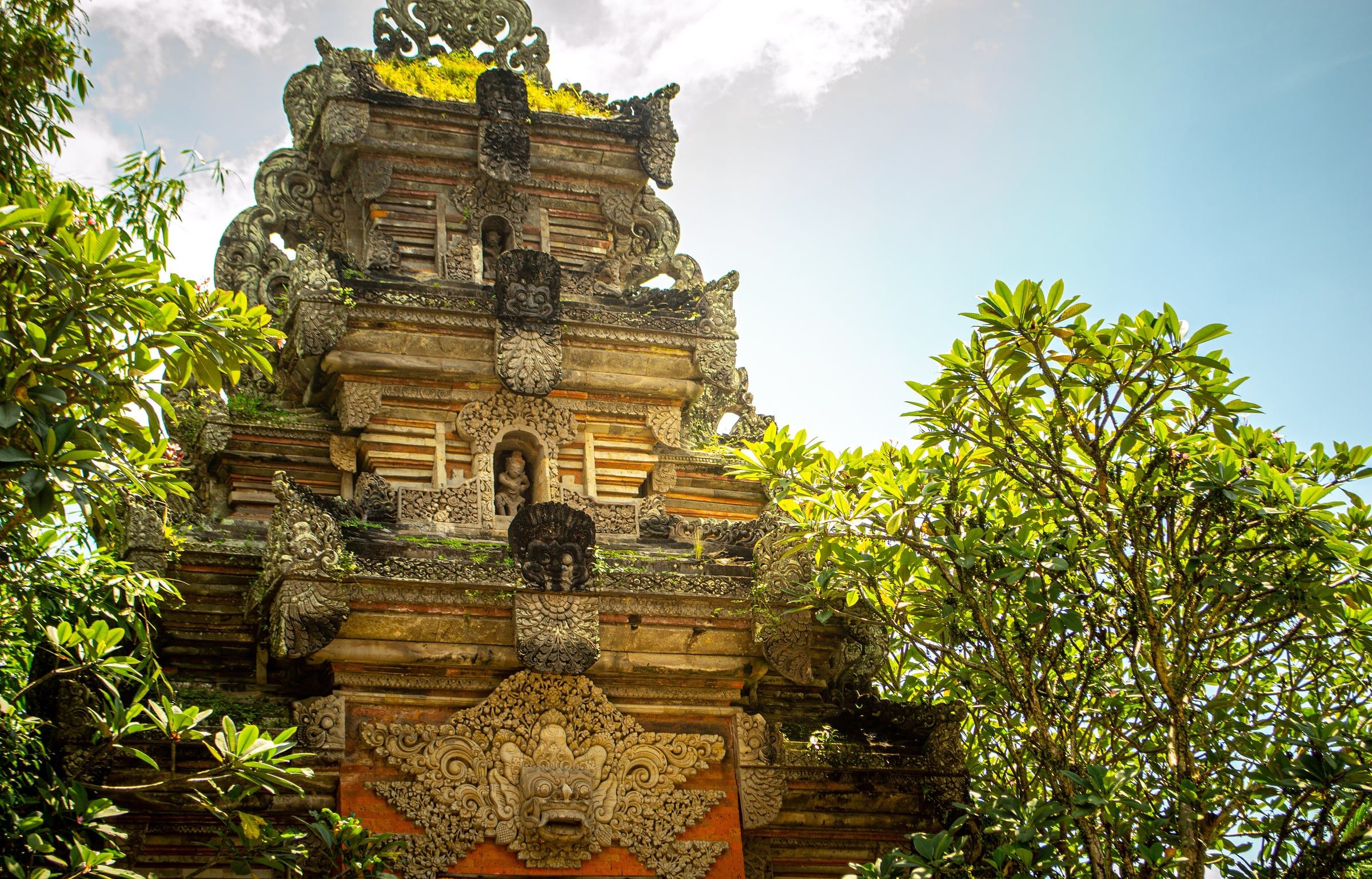
Centre · 3–4 days
Ubud
The cultural heart of Bali — worth every one of its visitors.
Why Ubud
The cultural heart of Bali
Spend 3–4 days in Ubud. It is busy, and it is still the place to understand Bali: temples, dance, craft, and some of the most ambitious cooking in Asia, all within a short walk or ride.
Plan the days loosely. The best of Ubud happens in the mornings and after dark.
Dance
Nightly performances in front of the palace.
Craft
A market to haggle in and silversmiths nearby.
Food
Tasting menus that could only happen here.
A plan
Three days in Ubud
Leg 1: Day 1 · Centre
Forest, market, palace
- The Monkey Forest in the morning, before the heat.
- The market around midday — haggle for everything.
- A dance at the palace after dark.
The momentThe first chords of the gamelan as the palace lights come on.
Leg 2: Day 2 · Ubud & Celuk
Make something
- A silver jewelry workshop in the morning.
- A long, late lunch; rest through the afternoon.
- Dinner somewhere serious — see the restaurants.
Leg 3: Day 3 · Around Ubud
Slow day
- Walk the ridge or the rice fields early.
- Keep the evening for a second performance, or a dessert tasting at Room4Dessert.
The icon
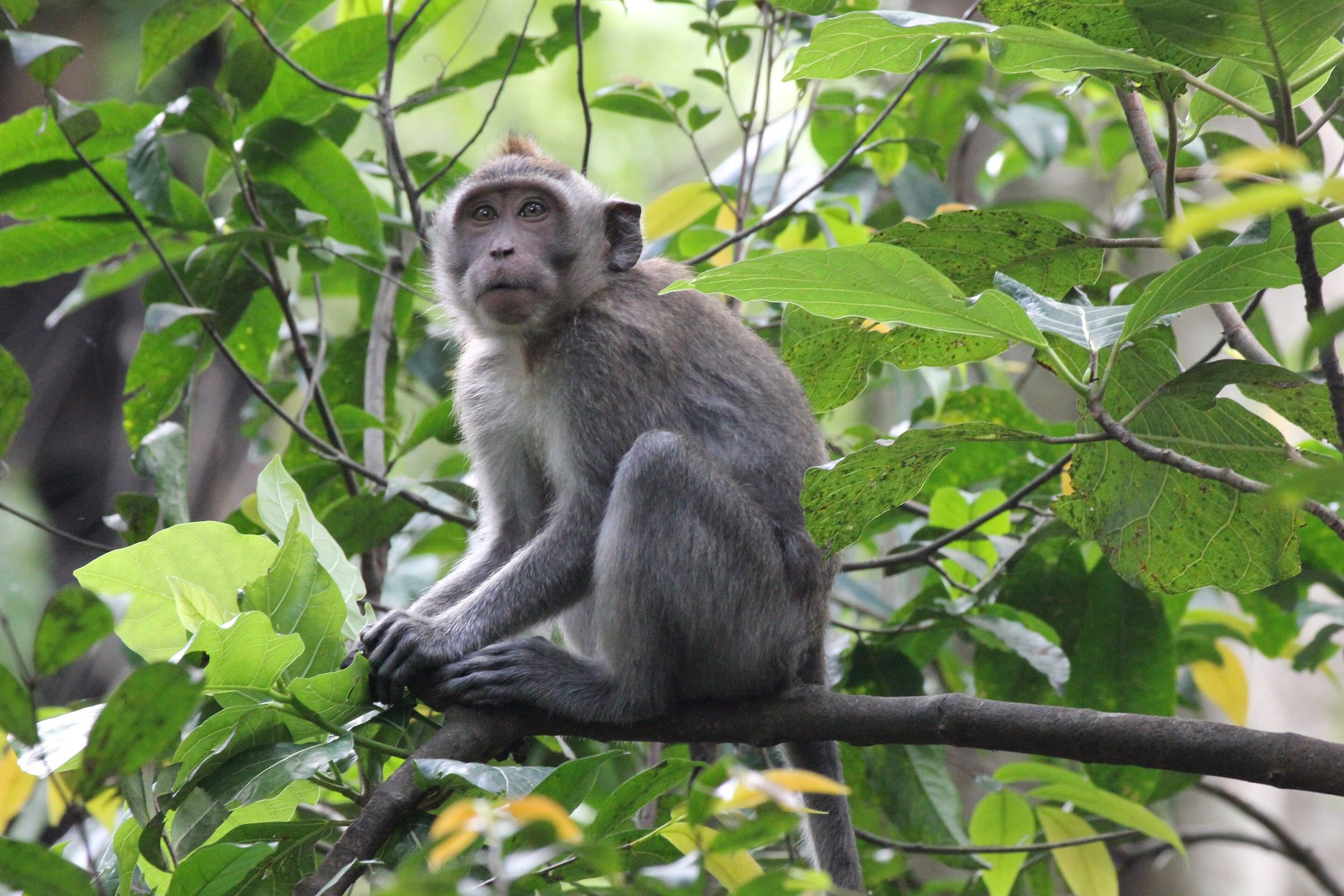
The Sacred Monkey Forest
The Monkey Forest (Sacred Monkey Forest Sanctuary) is full of tourists — and it is still a Balinese icon. Standing that close to long-tailed macaques, in a temple inside the jungle, is a genuinely singular experience.
- Do not bring food or plastic bags.
- Put away sunglasses, earrings and anything loose.
- Do not stare at the monkeys or try to touch them.
- Follow the staff’s instructions.
- If you are bitten or scratched, go to a medical clinic.
Day and night
The market and the palace
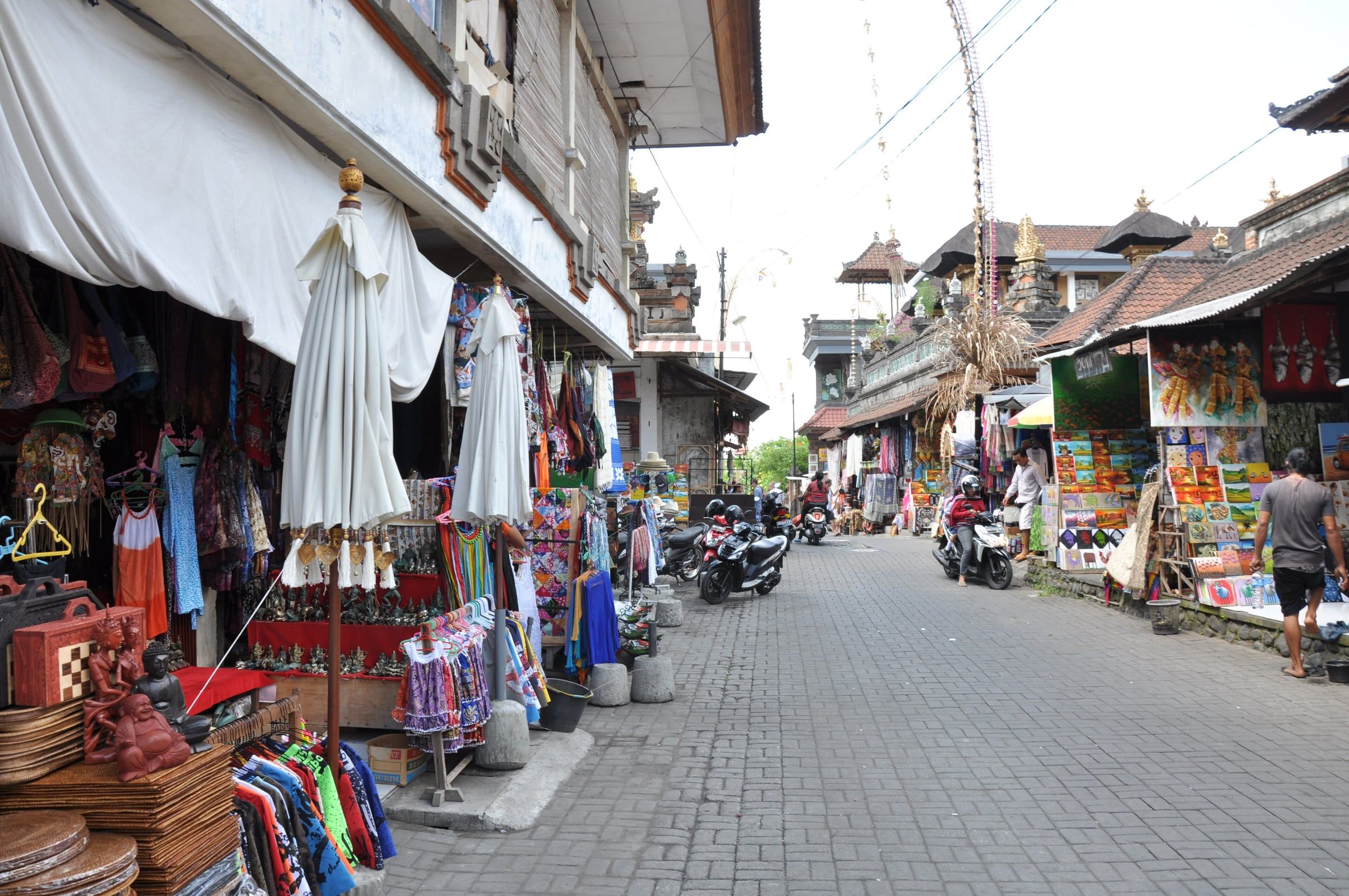
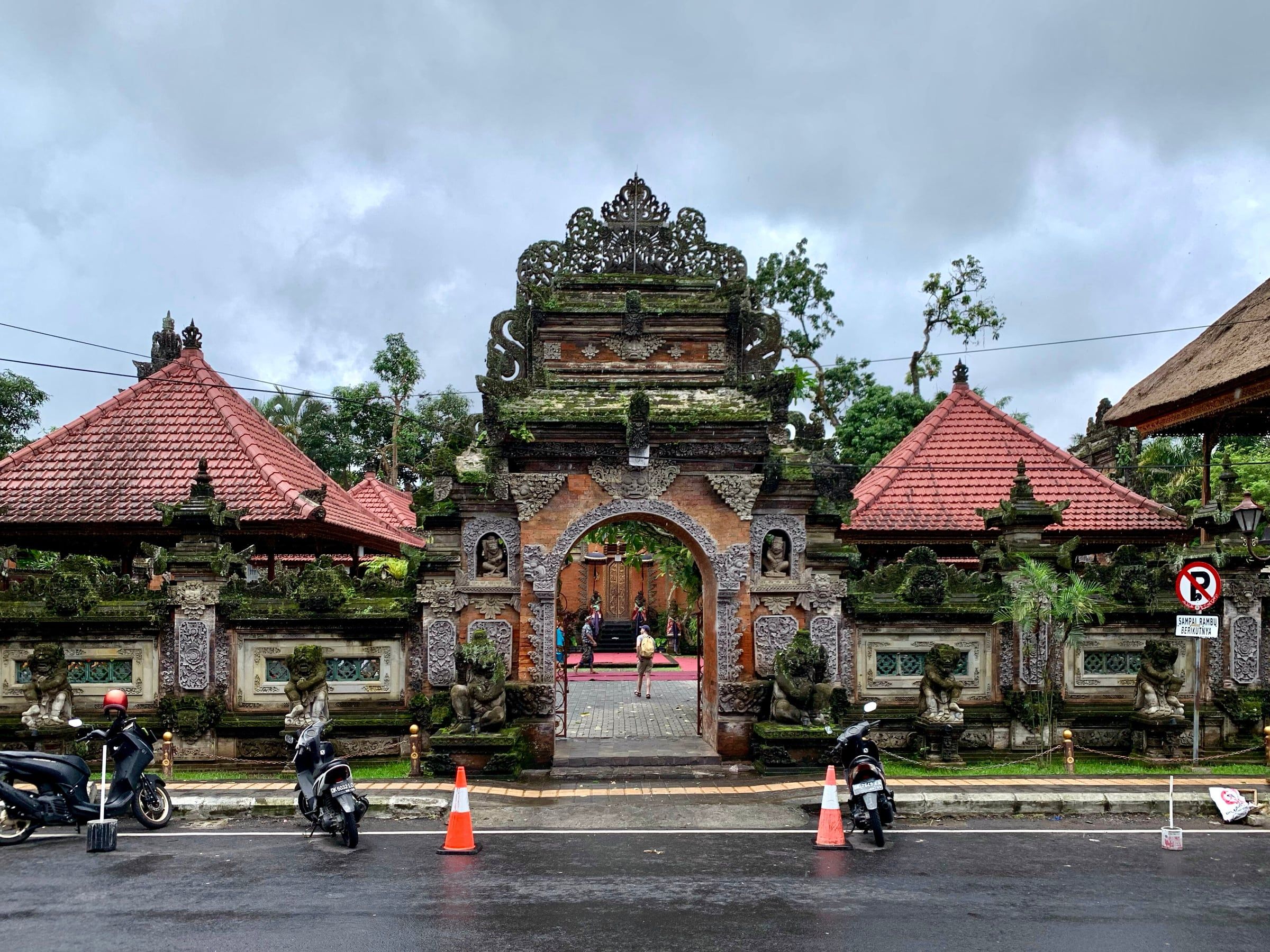
The Ubud market and the Ubud Palace (Puri Saren Agung) face each other across the main road. Do the market by day and the palace by night.
Haggle for everything
At the market, haggle for EVERYTHING. Opening prices are 3–5× what locals pay. Negotiate hard, be ready to walk away, come back. Smile.
- Start at a third to half of the first price.
- Take your time — nobody is in a hurry.
- Be genuinely willing to leave.
- Buy several things from the same stall for a better price.
A night at the palace
One evening, watch a Balinese performance at the palace. The program rotates between traditional dance — Legong, Barong, gamelan — and the Kecak fire dance. For a first time, Kecak is the most spectacular.
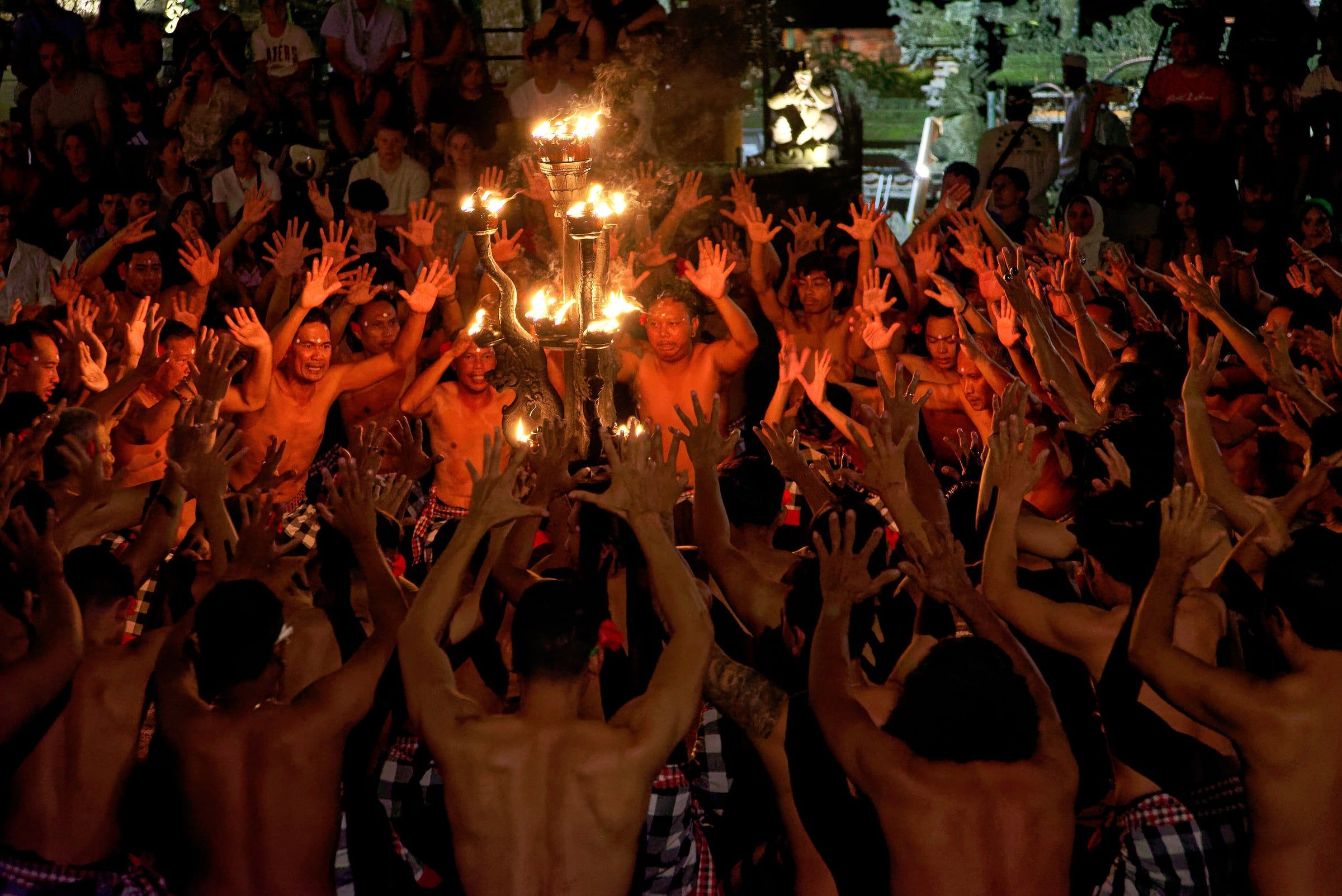
Walk past the palace during the day: there are always people handing out flyers and calendars with what is on each night. That is where you choose, and where you buy tickets — or at the door. Arrive early for a good seat; the start time is on the flyer.
While you are here
Make something, eat well
Ubud is the base for the silver jewelry workshop — see Experiences — and for most of the island’s best tables: see restaurants in Ubud.
Next on the route
Candidasa & the EastA boutique hotel, a beach that is best early, and the water palace.